Written by Dave Nicholls. Re-published with permission from ParaDoxa
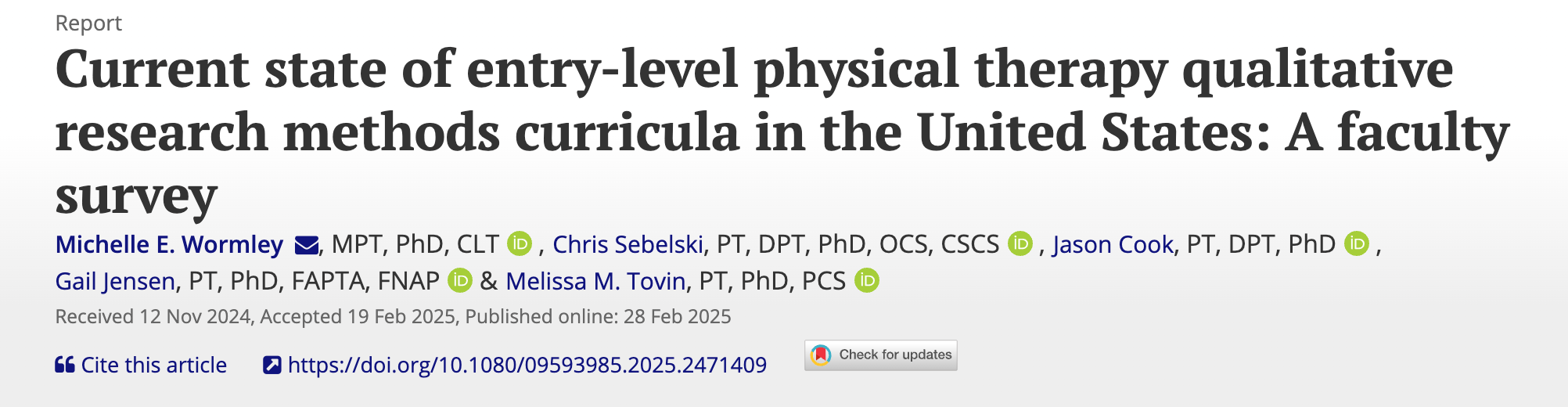
A recent article published in Physiotherapy Theory & Practice found that US-based physical therapy programs allocate, on average, just five hours to teaching qualitative research.
The article by Michelle Wormley and a team of US-based academics, including the venerable Gail Jensen, reported on a descriptive qualitative study of time spent learning about qualitative research across 70 US physical therapy programs.
Illustration used with permission: Karina Braun, Autumn Brush
Truth is in the eye of the beholder .
– Ruth Hubbard.
Earlier this year, there was a paper published about the research that explored the influence of dance on embodied self-awareness and well-being (Braun & Kotera, 2021). The findings of this study provided evidence for dance as a booster of health, the way for coping with and prevention of stress, depression and loneliness, and enabler of individual and community transformations. This study was conducted applying the qualitative research method of Interpretative Phenomenological Analysis (IPA). Often, research methods remain in the shadow when reporting about research. In this blog, I would like to shed more light on IPA that is a particularly useful method in exploring individual embodied experience with health and its impairment, and is rooted in idiography, phenomenology and hermeneutics (Smith et al., 2009).